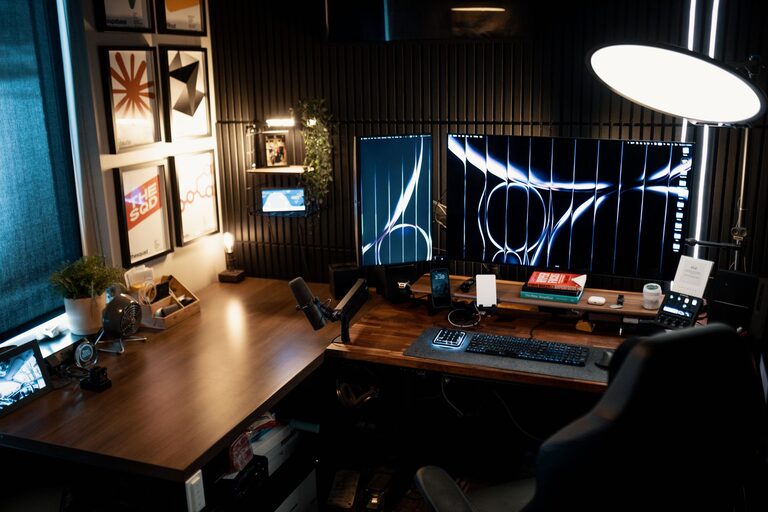
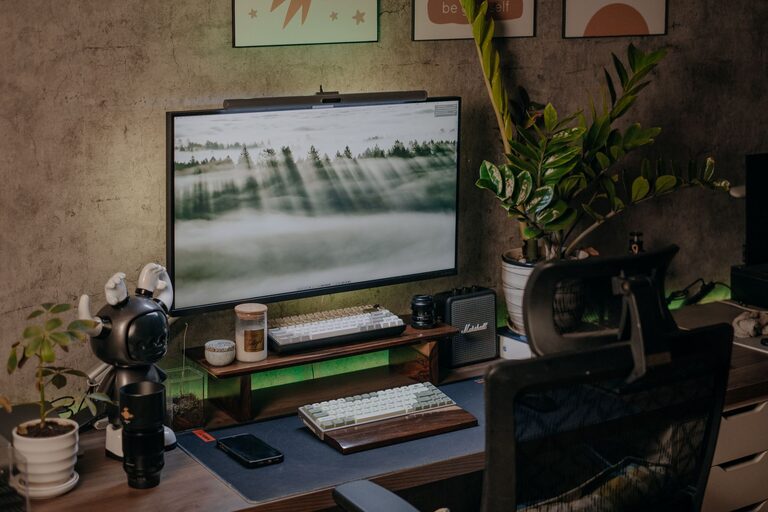
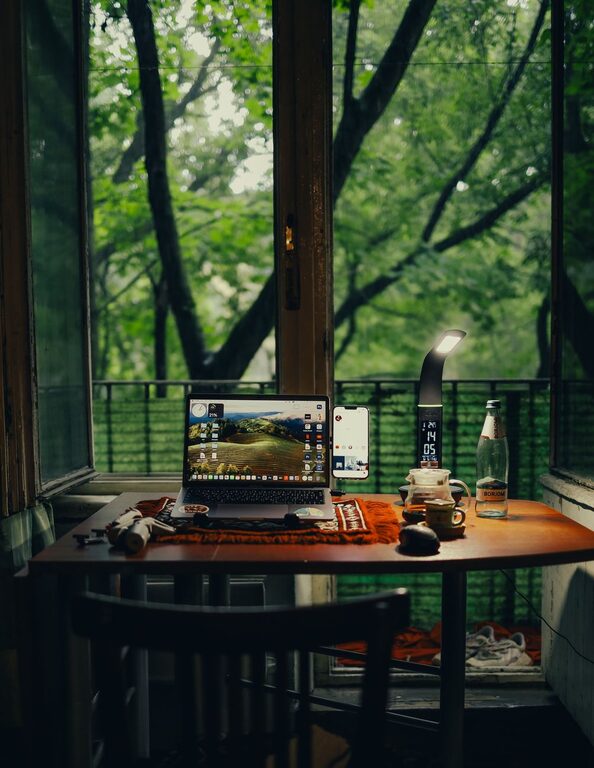

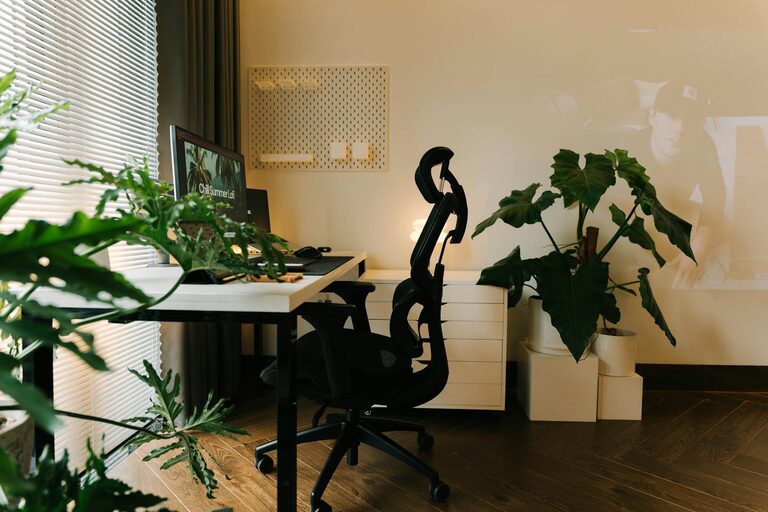

Creating a home office that is both cozy and productive can significantly improve your work-from-home experience. A well-designed workspace helps maintain focus, reduces stress, and inspires creativity. Whether you have a dedicated room or just a small corner, these tips will help you set up an ideal home office tailored to your needs.
Choose the Right Location
Quiet and Private
Select a spot that offers minimal distractions and noise. If possible, choose a room or a corner away from busy household areas. Privacy is key to staying focused and holding video calls comfortably.
Natural Light
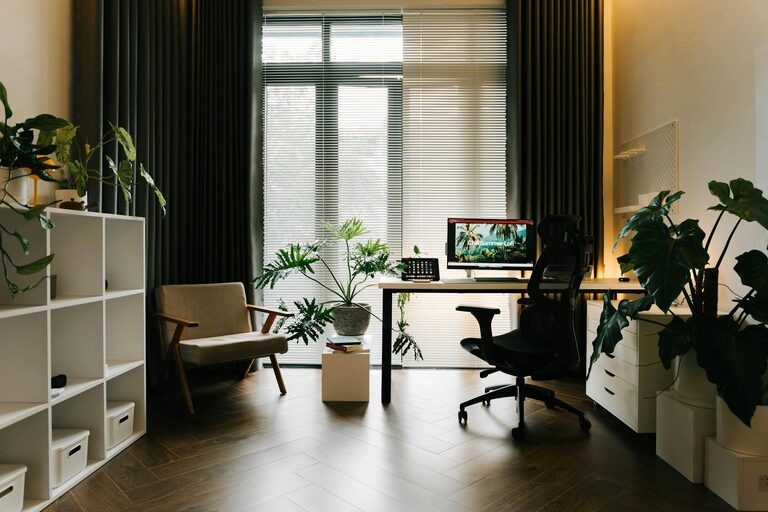
Position your desk near a window to benefit from natural daylight. Sunlight boosts mood and energy levels, helping you stay alert throughout the day.
Invest in Comfortable Furniture
Ergonomic Chair
An adjustable, ergonomic chair supports your posture and reduces the risk of back pain. Comfort is essential when sitting for long hours.
Spacious Desk
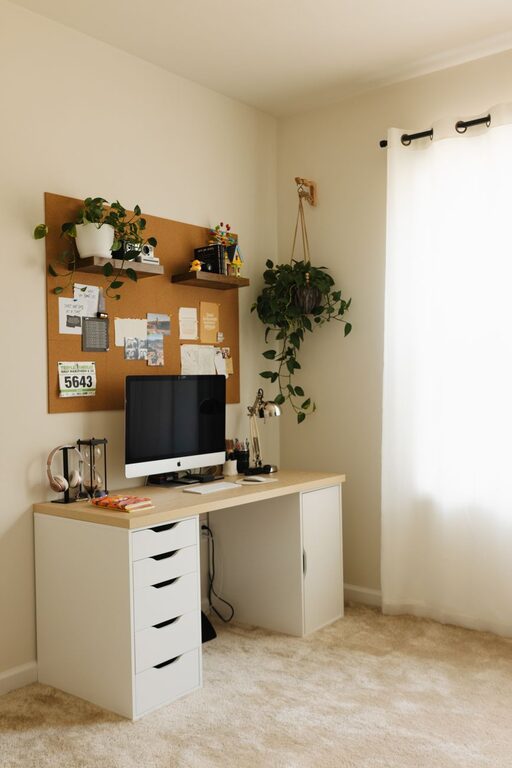
Pick a desk with enough surface area for your computer, notes, and any other items you use regularly. A clutter-free workspace can help clear your mind.
Create a Warm and Inviting Atmosphere
Personal Touches
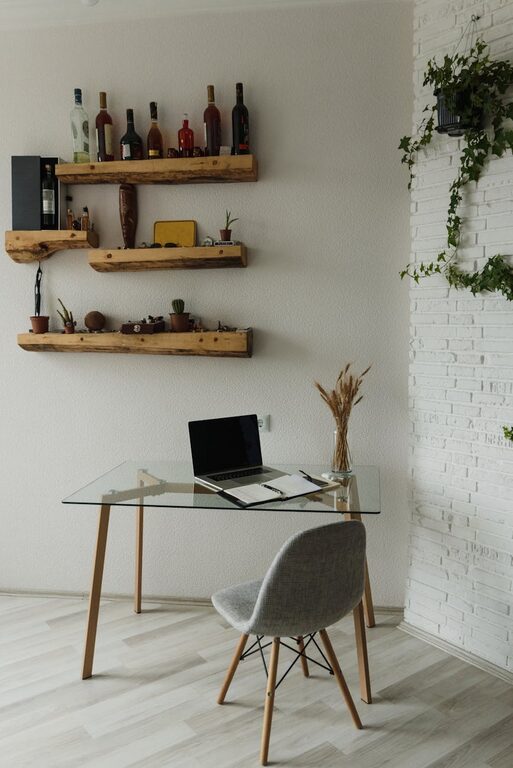
Add elements that make you feel comfortable, such as plants, artwork, or photos. These touches can make the space more inviting and less clinical.
Soft Textiles
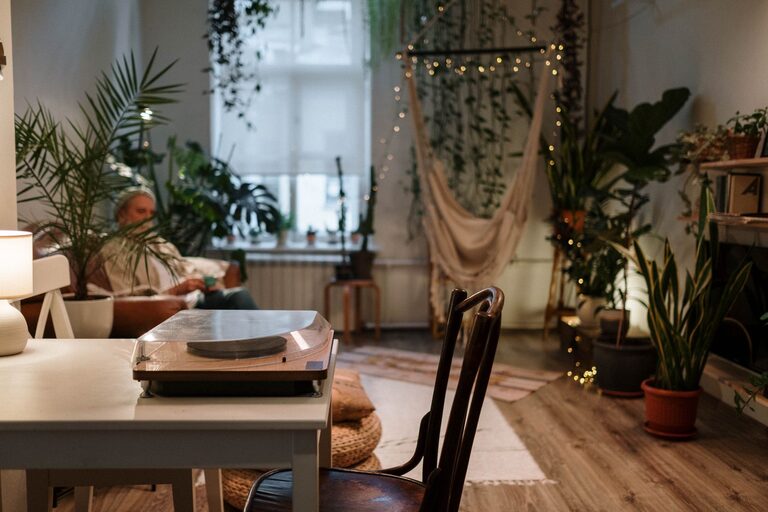
Consider a cozy rug, cushions, or a throw blanket to create warmth. Textiles add texture and soften the room’s appearance.
Light Layers
Besides natural light, include layered lighting such as a desk lamp or floor lamp. Soft lighting reduces eye strain and creates a calming environment.
Organize and Declutter
Smart Storage Solutions
Use shelves, drawer organizers, and storage boxes to keep supplies neatly arranged. A tidy desk reduces distractions and makes it easier to find what you need.
Cable Management
Keep cables and chargers out of sight with clips or cable trays. A neat wiring system contributes to a clean and professional look.
Incorporate Productivity Enhancers
Dedicated Zones
If space allows, create zones for different activities such as a focus area for deep work and a space for brainstorming or reading. Changing your position can refresh your mind.
Timer or Clock
Use a visible timer or clock to manage work periods and breaks. Techniques like the Pomodoro method (working in focused intervals with breaks) can improve concentration.
Digital Tools
Install productivity apps for task management and note-taking. Keeping digital and physical tools organized contributes to efficiency.
Mind Your Air Quality and Temperature
Proper Ventilation
Keep the room well-ventilated to maintain fresh air. Poor air quality can lead to fatigue and headaches.
Temperature Control
Maintain a comfortable temperature with a fan or heater as needed. Being too hot or too cold affects your ability to concentrate.
Maintain Boundaries Between Work and Home Life
Clear Start and End Times
Set specific working hours and stick to them to avoid burnout. Let housemates know your schedule to minimize interruptions.
Dedicated Workspace
Avoid working from non-office spaces like the bed or sofa. Designating your home office signals to your brain when it’s time to work and when it’s time to relax.
Final Thoughts
Creating a cozy and productive home office is a balance of comfort, organization, and functionality. Thoughtful choices about location, furnishings, lighting, and decor can make a big difference in how you feel and perform during your workday. Remember, the best workspace is one that supports your unique needs while fostering focus and well-being.
Start by implementing a few of these tips, and gradually adjust your setup until it feels just right. A well-designed home office can transform your remote work experience and help you achieve your professional goals with greater ease and enjoyment.